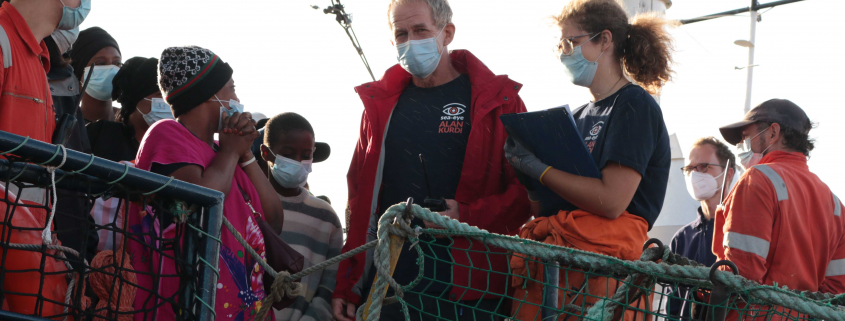
Sea rescuers from MOAS return to the Mediterranean with the SEA-EYE 4

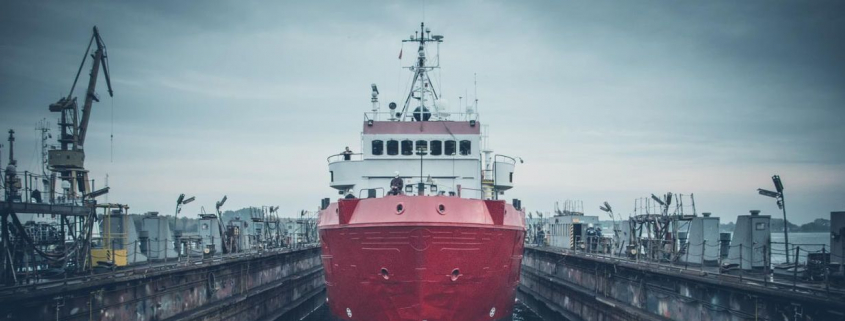
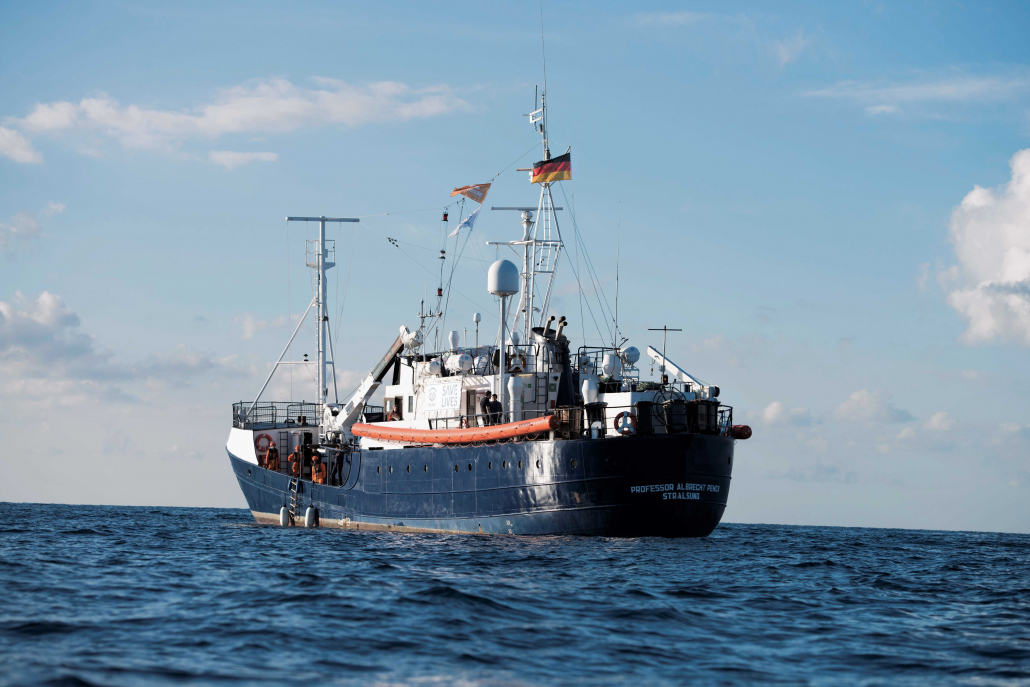
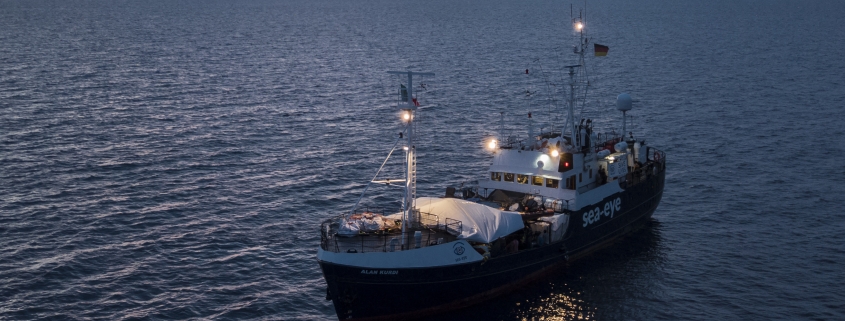
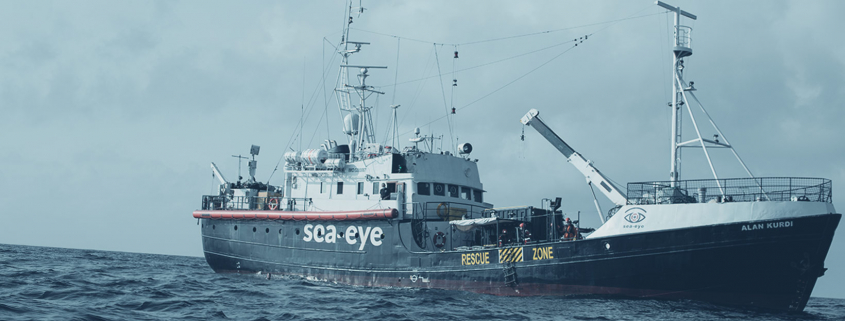
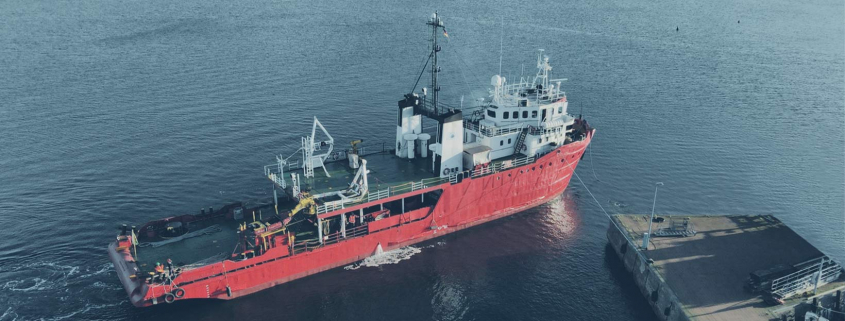
The aid organizations Sea-Eye and MOAS have agreed to a close collaboration aboard the SEA-EYE 4 with the aim of carrying out search and rescue missions in the central Mediterranean Sea. The SEA-EYE 4 is a 48 year old offshore supply vessel (built in 1972, 55 m long, 11 m wide). Sea-Eye acquired the ship with significant support of the United4Rescue alliance and is currently converting it into a rescue ship.

The common goal of both organizations is to conduct joint operations to save more lives together and to raise awareness for the people who continue to die in the Mediterranean as a result of the EU’s isolationist policy.

We firmly believe that nobody deserves to die at sea in search of safety, that’s why we founded MOAS in 2013: to save lives. We are very happy about this partnership with Sea-Eye, to share our knowledge and expertise on SAR operations.
Between 2014 and 2017, with our missions in the Mediterranean and Aegean Sea, MOAS rescued more than 40,000 people. Now, together with our partners, we want to rescue as many people at risk as possible. Civil society strongly believes that the implementation of #SafeAndLegalRoutes of migration is important to avoid further deaths at sea
,” says Regina Catrambone, Director of MOAS.

We are proud to bring the MOAS sea rescuers back into action on our ship. This is a milestone for Sea-Eye. Our operational cooperation has one main goal: to save more lives together. Between 2016 and 2017, the Sea-Eye and MOAS crews had met during a rescue mission. Now we are working jointly aboard the SEA-EYE 4,” says Gorden Isler, Chairman of Sea-Eye e. V.

Since 2014 MOAS was the first aid organization to actively conduct rescue operations in the central Mediterranean with the objective of saving people from drowning. The joint missions with the SEA-EYE 4 are planned to start in February 2021. The operational schedules for the missions will be devised together in the coming weeks. MOAS will support Sea-Eye with professional staff, joint search and rescue training, strategic expertise and an international donation campaign.

This year, the Covid19 pandemic in particular has worsened the situation for people who are fleeing and seeking protection, as many countries closed their borders. Mediterranean countries such as Malta, Italy, Greece and Spain continue to be left alone by other EU member states when it comes to accommodating refugees. Germany was painfully slow to meet its commitments to accept refugees in 2020. The German minister of transport and the German minister of the interior even tried to prevent German civil sea rescue ships from continuing operations. State level sea rescue efforts are still not in sight. Of all the people who drowned this year in the Mediterranean Sea, more than 700 people drowned in the Central part of the Mediterranean alone.

We are resuming SAR operations with the intent of saving as many lives as possible of those seeking protection from war, torture and famine on board of unseaworthy boats. Although we cannot put an end to the instability and ongoing conflicts which force people to leave their countries, we do have a chance to reduce the number of deaths at sea by providing assistance to those who, in their desperation, continue to attempt the Mediterranean crossing,” continues Regina Catrambone.

The joint missions with the SEA-EYE 4 are planned to start in February 2021. The deployment plans for this will be devised together in the coming weeks,” says Jan Ribbeck, board member and manager of operations at Sea-Eye e. V.

SEA-EYE 4

New alliance-ship: SEA-EYE 4

The coalition for sea rescue United4Rescue, which now has more than 660 coalition partners, wants to finance the purchase and, to a large extent, the overhaul of the new rescue ship SEA-EYE 4.

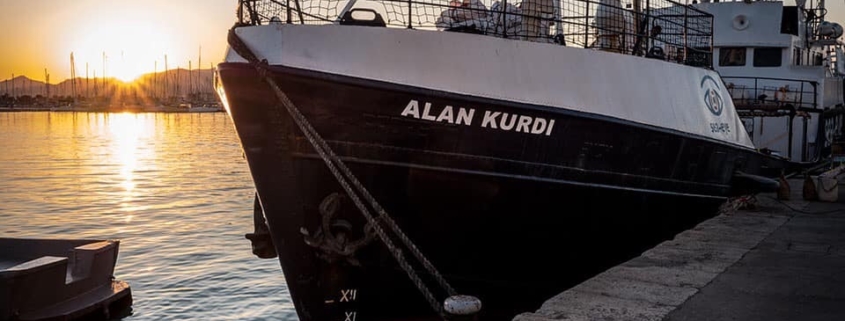
The former offshore supply-vessel (built in 1972, 55 m long, 11 m wide) is currently being converted into a rescue ship and is operated by the sea rescue organization Sea-Eye e. V. The SEA-EYE 4 is significantly larger than the ALAN KURDI, Sea-Eye’s current rescue ship. Sea-Eye has saved the lives of around 15,000 people in the Mediterranean since the beginning of 2016.

SEA-EYE 4: Shipyard Work

We are very grateful to United4Rescue. Without the support of the coalition, buying such a large ship would have remained inconceivable to us,” says Gorden Isler, Chairman of Sea-Eye e. V.

“Since our first campaign for Sea-Watch we have received a lot of support, so we decided: We will send another ship!” says Sandra Bils, founding member of United4Rescue. “Almost every day we receive terrible news of unanswered emergency calls and ship accidents in the Mediterranean. It cannot be that there aren’t enough rescue ships available.”

No safe passage

The member states of the European Union ignore their duty to rescue at sea. They refuse to fulfil their state and humanitarian duty in the Mediterranean. Because there are hardly any safe and legal escape routes, many people continue to attempt the life-threatening passage across the Mediterranean. The operational area is very large and there are only a handful of rescue ships – another civilian rescue ship is therefore urgently needed.

SEA-EYE 4: Shipyard Work

In addition, civil sea rescue is repeatedly blocked for political reasons and subjected to bureaucratic harassment. United4Rescue also supports rescue organizations in meeting new technical requirements or in freeing the detained ships by legal means.

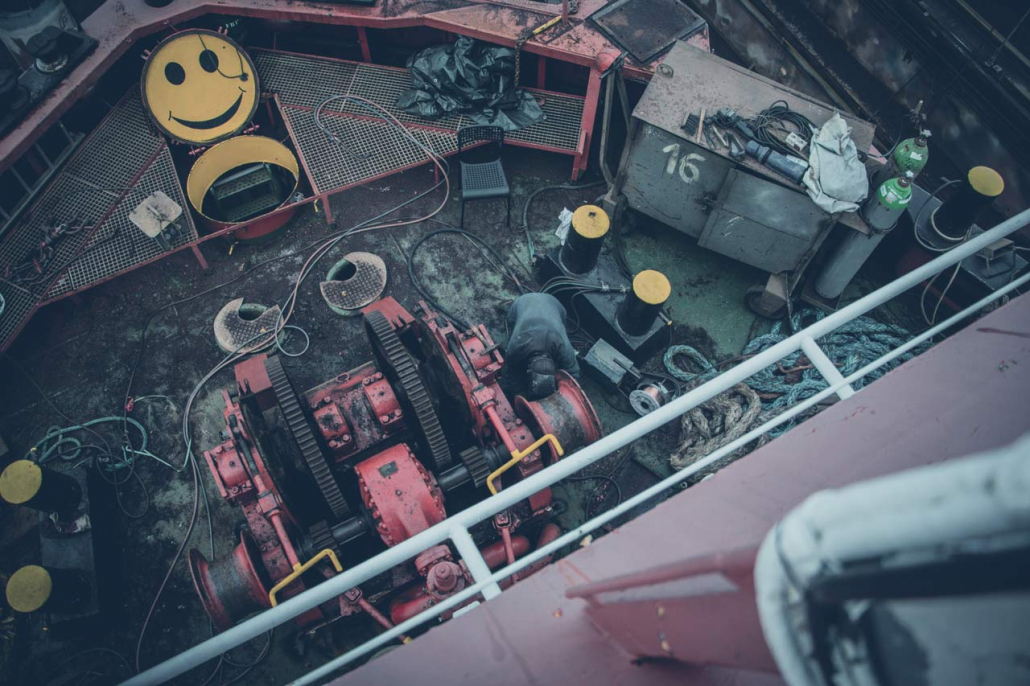
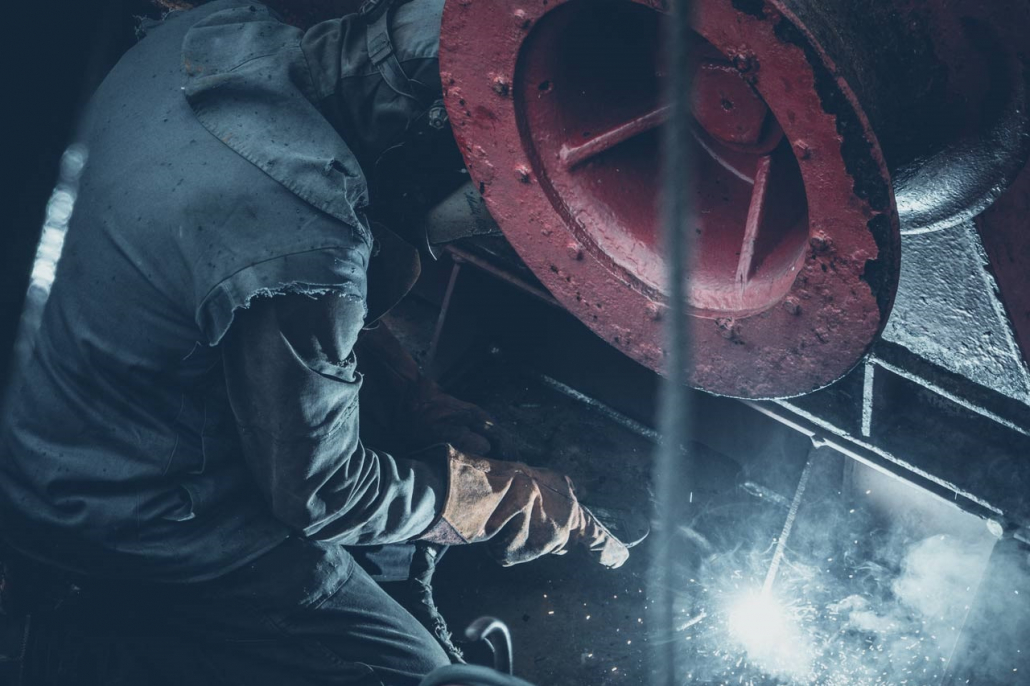
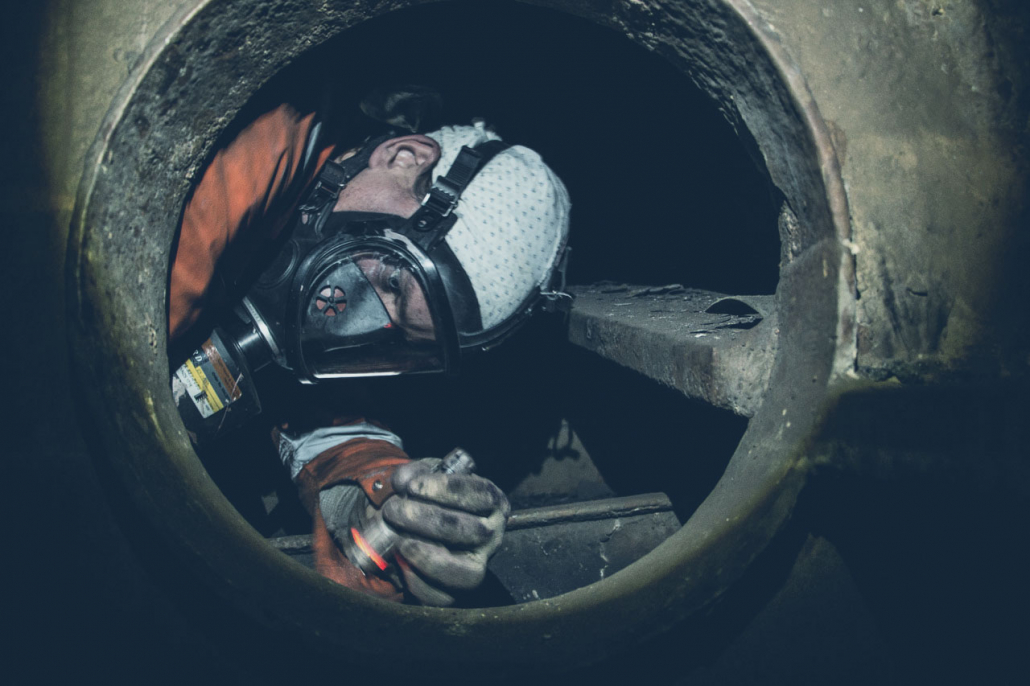
Due to its size and equipment, the SEA-EYE 4 will be able to accommodate and supply significantly more people than the previous Sea-Eye ships. But before the fourth ship of the Regensburg Sea Rescue organization is operational, extensive shipyard work is required.

United4Rescue finances the purchase and renovation of the SEA-EYE 4

United4Rescue wants to finance the overhauling of the rescue ship in addition to the purchase price. The coalition plans to contribute a total of € 434,000.00 to the project. In order to be able to send the SEA-EYE 4 on its first mission as quickly as possible, United4Rescue has started a donation campaign on the website www.wesendaship.org.

SEA-EYE 4: Shipyard Work

Together with partners like United4Rescue we are on the right track. But in order to fully equip the SEA-EYE 4 and send it on a mission, we need further support,” says Isler.

“The necessity for our coalition sending another ship is actually a scandal. It is absurd, no, a testimony to Europe’s failure to fulfil its obligation to save people. We will not stand idly by this political failure,” said Bils.

UNO-Flüchtlingshilfe, German partner of UNHCR

German national partner of the UN Refugee Agency (UNHCR) contributes to on-board hospital financing

Sea-Eye is in the largest project in its history and is now receiving support from the UNO-Flüchtlingshilfe, German partner of UNHCR. In September Sea-Eye signed the purchase agreement for its new rescue ship. The ship, which will be named GHALIB KURDI, is currently being converted for rescue purposes in the Mediterranean. Equipping a rescue ship of this size is a considerable task, for which the UNO-Flüchtlingshilfe is now supporting Sea-Eye with a grant of € 25,000.

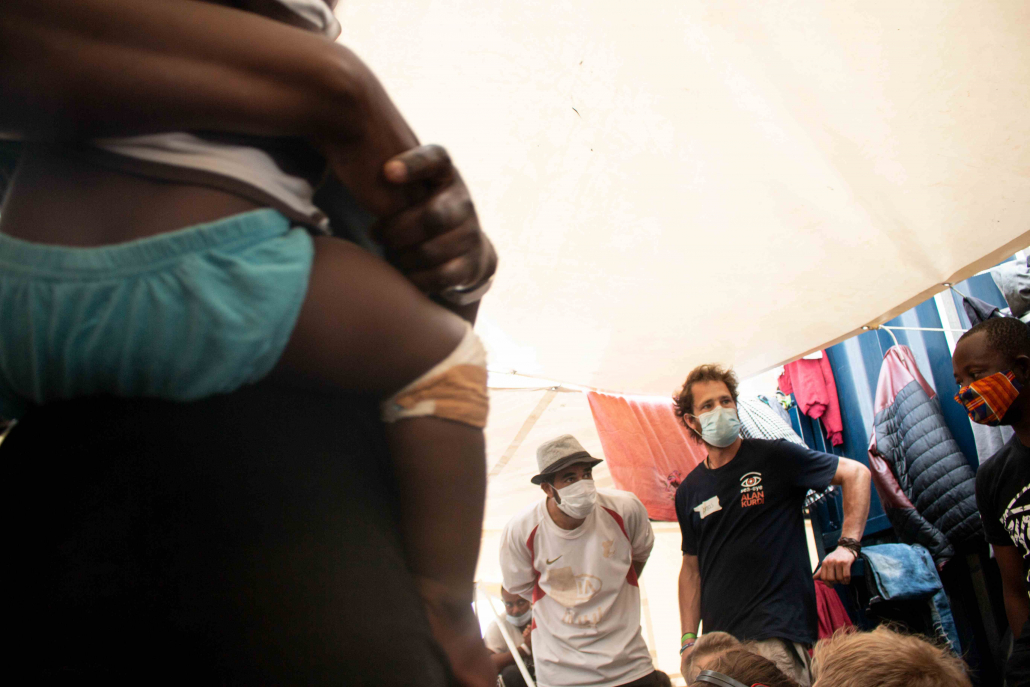
With this contribution, UNO-Flüchtlingshilfe will help to set up and equip the GHALIB KURDI on-board hospital. In the event of an emergency, the rescued people urgently need medical care, because most of them sustained injuries, fell ill or suffered torture while fleeing. Pregnant women also venture the dangerous route across the Mediterranean in search of a safe place for their unborn child and need special care. The new on-board medical station will ensure the primary treatment of the rescued people and will also be prepared for possible corona cases on board.

We are very grateful to the UNO-Flüchtlingshilfe for supporting the financing of this important project and will soon introduce a new medical cooperation partner with whom we want to face the growing challenges together,“ says Gorden Isler, Chairman of Sea-Eye e. V.

Any discussion about whether people should be rescued from distress at sea is inadmissible. This is a self-evident necessity and our humanitarian obligation. The Sea-Eye team is providing this invaluable vital aid,“ says Peter Ruhenstroth-Bauer, Managing Director of the UNO-Flüchtlingshilfe, German partner of UNHCR.

Sea Eye’s new vessel GHALIB KURDI is currently being converted into a rescue ship and will support the future operations of ALAN KURDI in the Mediterranean. Sea-Eye intends to introduce GHALIB KURDI and the new partner organisations in November.

ALAN KURDI in port

Sea-Eye asks the German Foreign Office for diplomatic support

  • ALAN KURDI detained in Olbia
  • Italy’s illegitimate repression of German sea rescue organisation
  • Sea-Eye asks German Foreign Office for help

On Friday evening, the Italian coast guard detained the ALAN KURDI for the second time this year after an eight-hour port state control. Spanish and German authorities had previously certified the ship as ready for operation after a several-week break in the shipyard.

Captain Joachim Ebeling speaks of “salami tactics” and goes on to say: “If you were really concerned about the safety of the people we rescued, you would not spend hours on end looking for ways to detain us at every opportunity.”

This detention puts all the other missions of this year at risk. Sea-Eye intends to file an immediate appeal against the detention.

It is unacceptable that Italy questions the German and Spanish authorities’ ability to judge the safety on board the ALAN KURDI. This is absurd and unmasking. The arrests of German rescue vessels are purely politically motivated,” says Gorden Isler, Chairman of Sea-Eye.

ALAN KURDI with German flag

Italy’s illegitimate repression of German sea rescue organisation

Although the Italian government has withdrawn Salvini’s draconian punishments against sea rescue organisation, they have not been abolished. Instead, Italy is currently stopping three German rescue ships and one Norwegian ship from continuing rescue operations. In Italy’s statement on the detention, the coast guard again complains that more people were on board than allowed.

The Italian coastguard described the purpose of the ALAN KURDI in June as a kind of “service for migrants at sea“, refused to coordinate the last maritime emergencies in September, and ignored the legal requirement for cooperation between rescue centres.

Italy makes it clear that it no longer regards the saved persons as persons rescued from distress at sea, but as passengers.”

— Gorden Isler —

What we see here is the official implementation of a right-wing populist narrative with concrete measures, aimed in particular at transporting people and simply ignoring the maritime emergency beforehand. This is particularly grotesque because until two years ago Italy herself was still rescuing people from such boats off Libya,” Isler continues.

Sea-Eye asks German Foreign Office for help

On Friday evening, Sea-Eye formally asked the German Foreign Office and the German Foreign Minister for support. After all, the detention of the ALAN KURDI, SEA-WATCH 3 and SEA-WATCH 4 not only openly calls into question the rights of German aid organisations. The rights of the flag state to equip its ships with safety certificates are also affected here. However, the protests of the German Ministry of Transport to the Italian colleagues have so far remained fruitless.

We are being held for political reasons. We are therefore asking the Foreign Office to try to find a diplomatic solution. After all, it is a matter of people’s survival,” says Isler.

According to the IOM, 675 people have drowned in the Mediterranean in 2020 so far. ALAN KURDI was able to save more than 300 lives this year.

We could have saved many more people. Without the blockades of the rescue ships, the number of victims would certainly have been lower,” continues Isler.

— Gorden Isler —
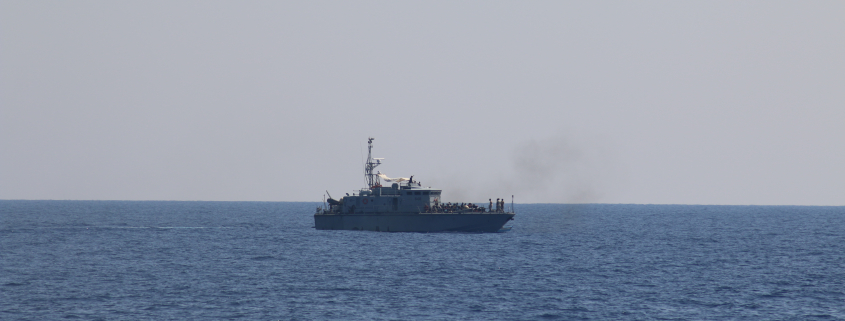
so-called Libyan coast guard

ALAN KURDI crew observed an illegal push-back

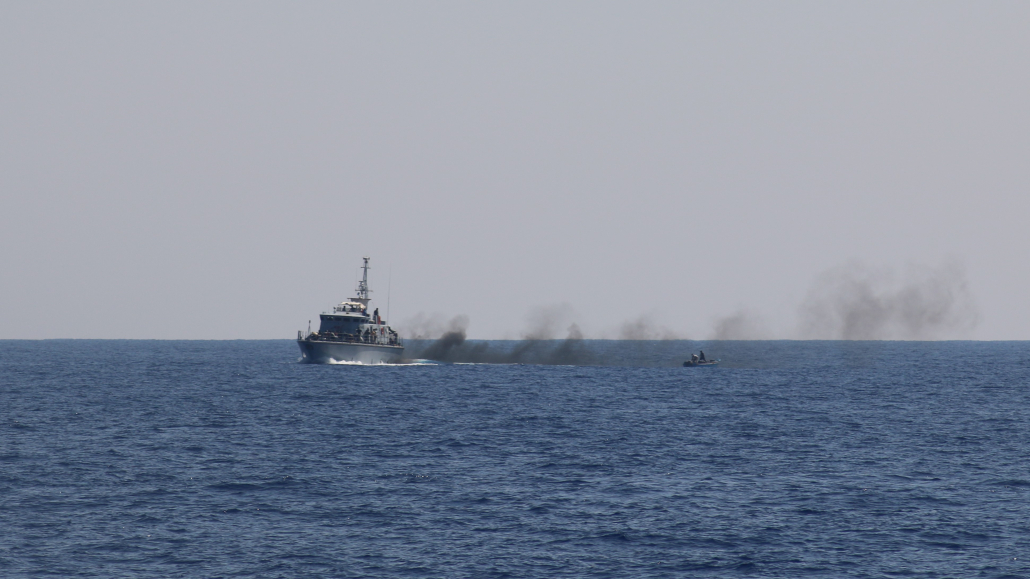
On September 19, the ALAN KURDI crew saw a speedboat approaching during their second rescue that day. It quickly became clear that it was the militias that operate under the name of the “Libyan Coast Guard” and force refugees back to Libya illegally and against their will.

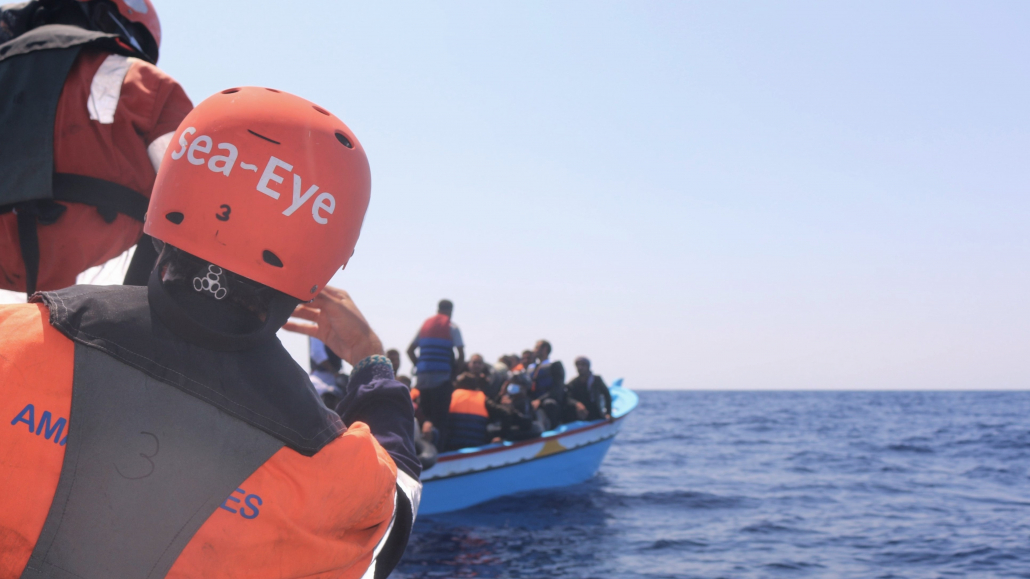
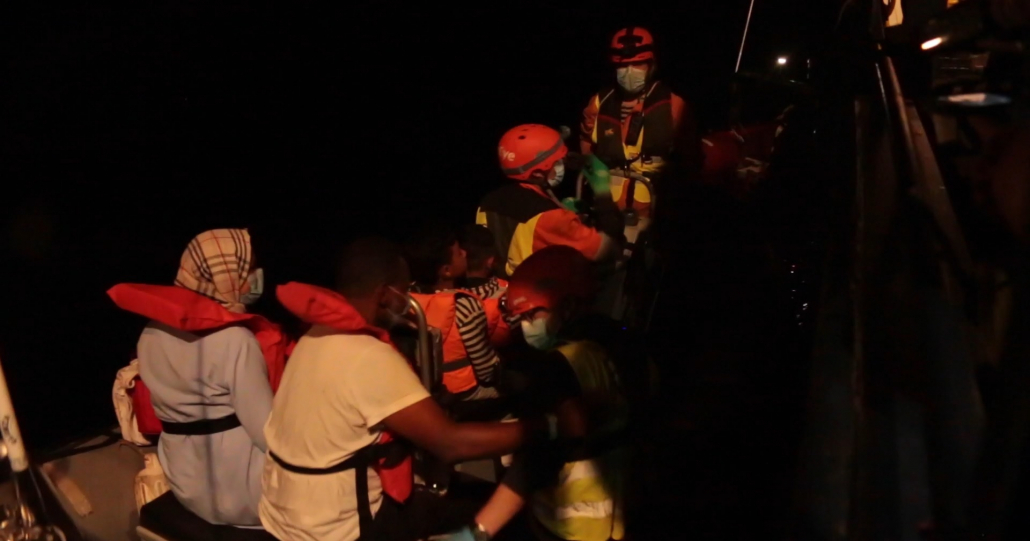
The crew knew they had to hurry to evacuate the people. On board the ALAN KURDI, people would be better protected from the militia than on their small boat. Fortunately, there were only 24 people in the wooden boat in distress, and the crew were able to transfer them all to the ALAN KURDI swiftly, using their two rescue boats. Hence, protecting these people from being attacked by the militia and preventing them from being pushed-back to the civil war country.

Sea rescuers evacuate wooden boat

When the speedboat approached our rescue ship, it became clear to the crew that it was the so-called Libyan coast guard. From a distance they could see that there were a great number of people on the boat. The so-called Libyan coast guard’s boat had previously picked up at least one group of refugees in order to forcibly return them to Libya.

We demand: No push-backs to Libya!

According to international law, people rescued from distress at sea must be brought to a safe place. Only then is the rescue considered complete. Since there is civil war going on in Libya and people are being exploited, tortured, raped and murdered there, Libya is not a safe place.

Libya is not a safe place.

Amnesty reports forced disappearances

Amnesty International recently published a report that thousands of refugees who were picked up by the so-called Libyan Coast Guard and forced to return to Libya have disappeared without a trace.

The dehumanizing policy of the EU

Although the European Union is informed about the human rights situation in Libya, it has been funding the so-called Libyan Coast Guard for years, with the goal to forcibly intercept people seeking protection on their flight to Europe. This inhuman policy must stop immediately. We therefore demand that the European Union stop supporting the Libyan coast guard at once.

Libya is not a safe place – for anyone!

In the port of Olbia

Italian authorities seemed unprepared

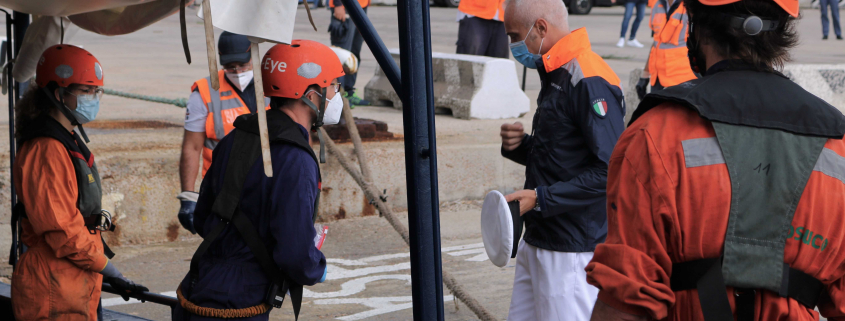
The ALAN KURDI reached the port of Olbia in Sardinia on Friday morning (25.09.20). It was to last until Saturday noon at 13:15 until all rescued people were allowed to leave the rescue ship. The process of registering the people and undergoing a health check took considerably longer than usual.

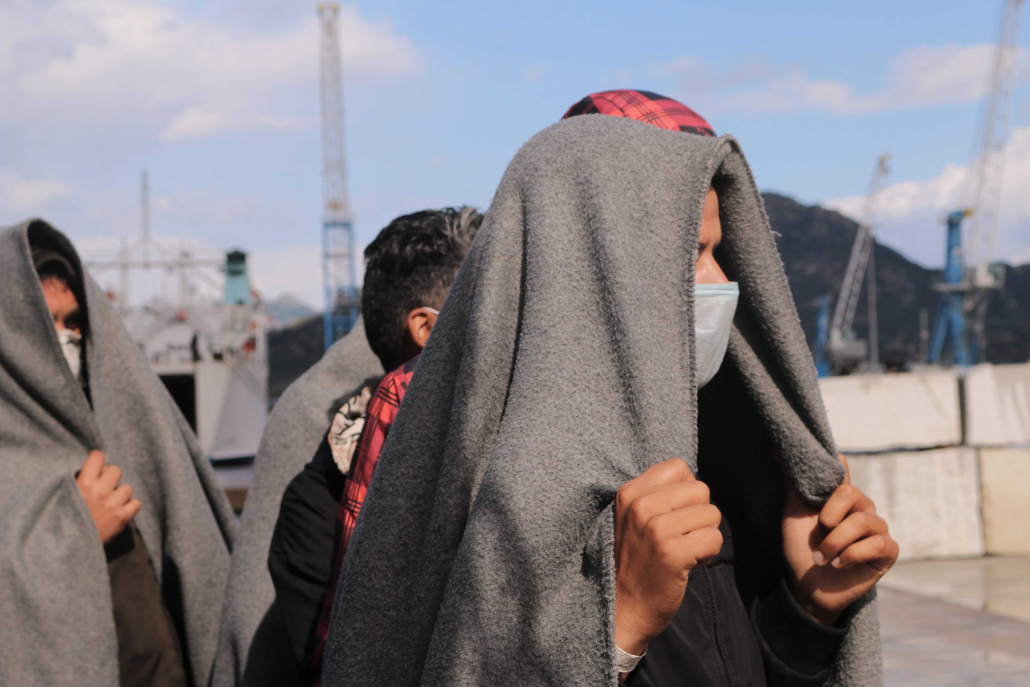
Yesterday, our guests had to wait on deck of the ALAN KURDI for many hours in the cold, wind, and rain. 61 people even had to spend another night on board, as the Italian authorities suspended the registration process yesterday at about 20:30 and only started it again on Saturday morning.

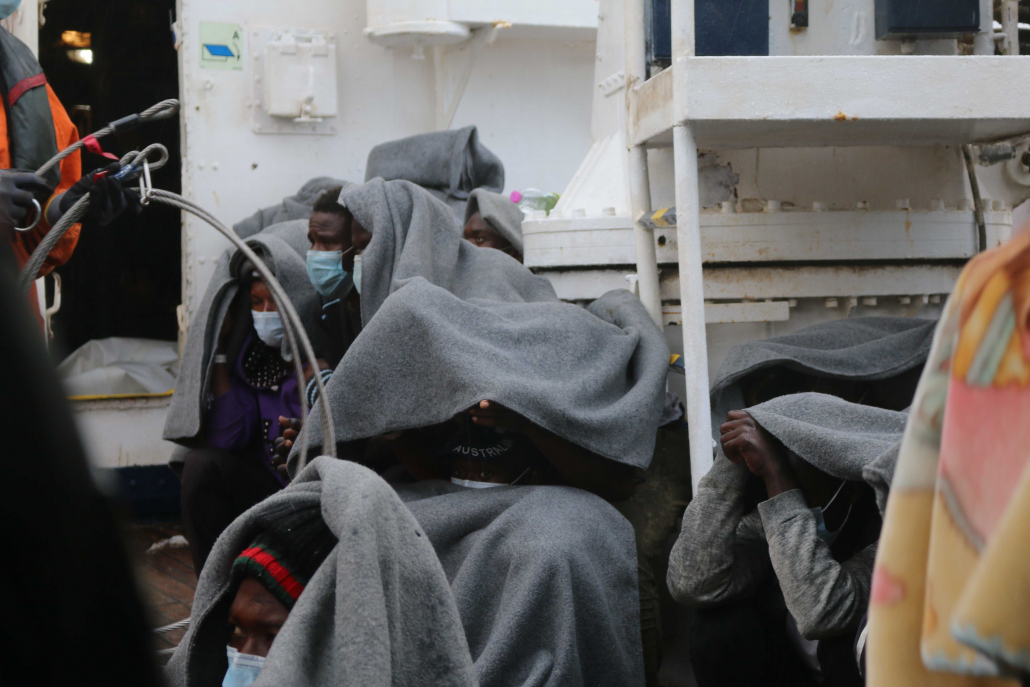
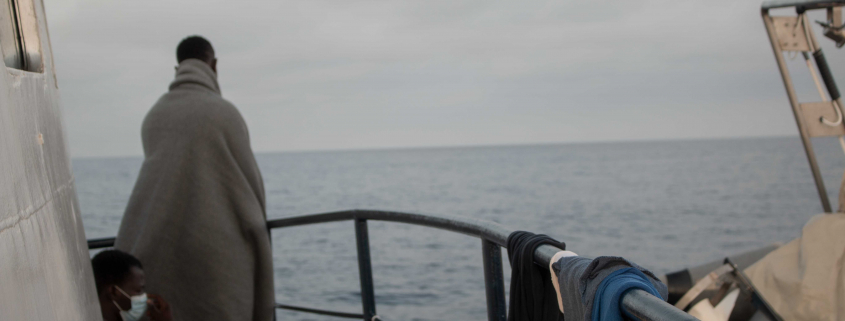
Rescued with blanket

We can only guess why it took so long. But it seems that the Italian authorities were simply overwhelmed. This was not a friendly welcome for our guests, who had to wait freezing in blankets in the rain, but they endured it with great patience,“ says Kai, human rights observer on board the ALAN KURDI.

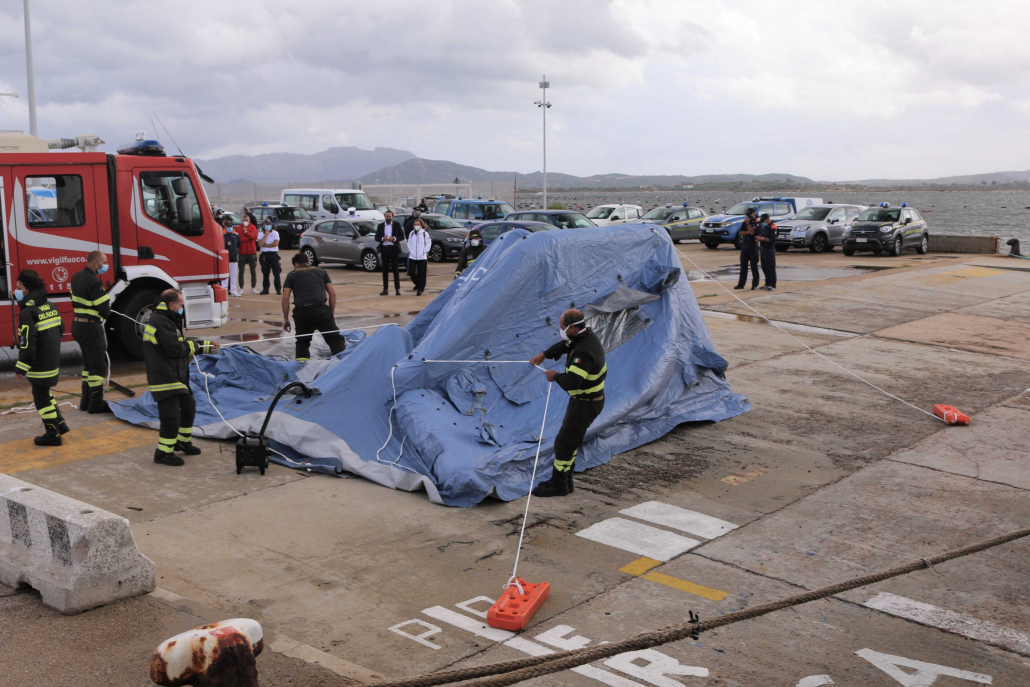
Preparations in Olbia

The crew has now also been tested for Covid-19. The results are still pending. The Italian authorities had already announced yesterday that the crew of the ALAN KURDI will undergo a 14-day quarantine in Olbia. The captain’s request to head for the port of call Marseille was rejected.

We have not received any support from any EU state in our work during this mission. But we are glad that we were able to move 133 people to a safe place. We wish these people all the best,“ said Gorden Isler, Chairman of Sea-Eye at the end of the mission.

Meanwhile, the crew is preparing the rescue ship for the next mission.

Guests aboard the ALAN KURDI

People freeze the whole day in cold and rain

As previously announced, the ALAN KURDI was allowed to enter the port of Olbia on Friday morning. But the Italian authorities refused to allow all of the rescued persons to disembark. All day long, the survivors kept waiting aboard ALAN KURDI, wrapped in blankets and freezing, while it was raining heavily and a cold wind was blowing over the harbor.

Freezing rescued persons with blankets in the rain

After the captain had insisted on a disembarkation for several hours, the authorities finally stated that the 125 rescued people could leave the ALAN KURDI and the first of them could disembark. At around 8:30 p.m., the Italian authorities stopped this process, although around half of the refugees were still on board the ship. The remaining people are supposed to stay on deck of the ALAN KURDI, sleeping outside in the cold and wind, until tomorrow morning.

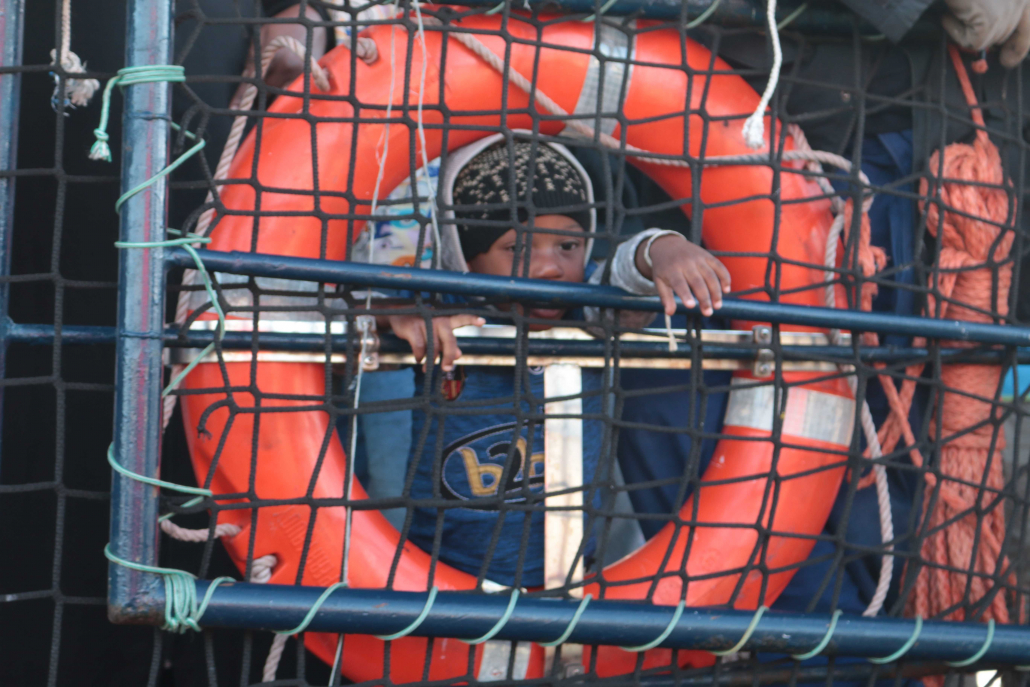
Child with life belt

Italy shows its ugliest side here. On this ship, people who have fled a civil war country are waiting to be offered a warm place to sleep. Is that asking too much?, asks Gorden Isler, Chairman of Sea-Eye e. V.

The rescued people have been enduring this ordeal with great patience all day.

It has already been announced to the crew of the ALAN KURDI, that they must undergo a 14-day quarantine, as was previously mandated for other rescue ships. The captain’s request to be allowed to continue sailing to Marseille after disembarkation was declined.

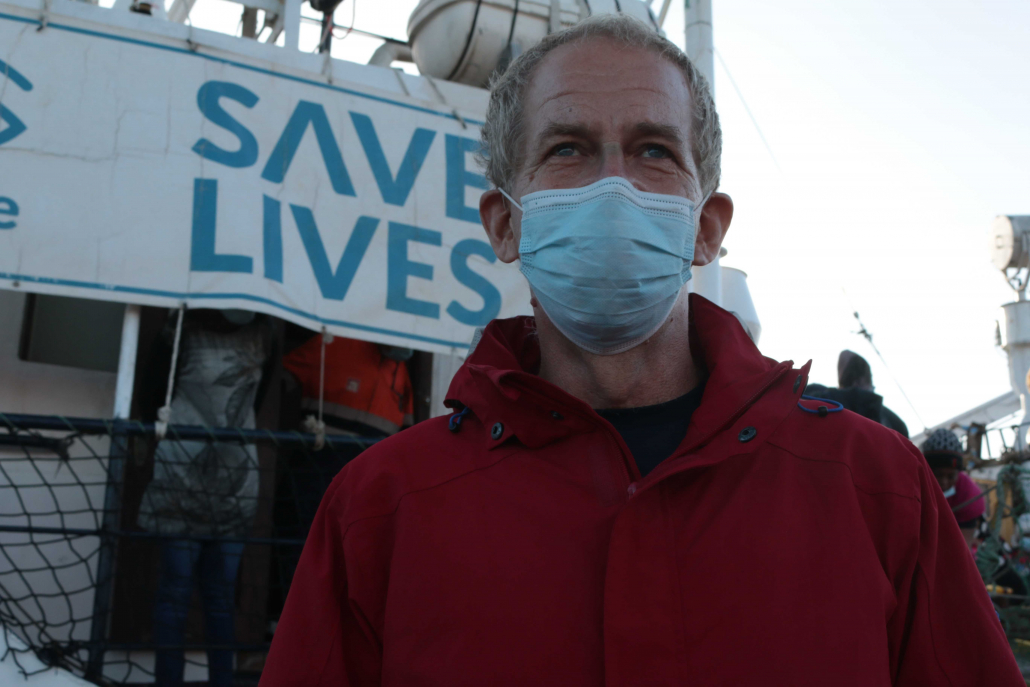
Captain of ALAN KURDI
Joachim Ebeling, Captain of ALAN KURDI
Man with blanket

The French government appealed to Italy

ALAN KURDI anchors off Sardinia
Following the announcement by Sea-Eye on Tuesday morning that the ALAN KURDI will call at its Port of Call Marseille, the German rescue vessel has now been allocated an Italian port in Sardinia after all. Whether Arbatax can become the port of disembarkation for 125 rescued persons remains unclear, however. So far the ALAN KURDI is only allowed to anchor off Sardinia to seek protection from a storm.

The Italian maritime rescue coordination centre had previously refused to coordinate the operation. Meanwhile, the German Ministry of Transport made no visible effort to ask its Italian colleagues for coordination.

The German and Italian authorities now have to explain why they silently ducked away from responsibility for four whole days,” says Gorden Isler, chairman of Sea-Eye e. V.
The French government pressed for a solution on Wednesday evening and successfully appealed to the Italian government to respect humanitarian principles in the case of ALAN KURDI. On Wednesday midnight, the Italian rescue coordination centre contacted the captain of the ALAN KURDI to discuss “further coordination”. They suggested a port in Sardinia to the captain in order to find shelter from the weather for the time being.

Rescued family on ALAN KURDI

Of course we follow this suggestion. After all, we have been asking for the coordination of our case for five days,” Isler continues.

Situation on board the ALAN KURDI
In the meantime, the ALAN KURDI has reached the port of Arbatax and was instructed by the harbour master’s office to anchor there for the time being and to wait for further instructions. The situation on board the ALAN KURDI is described by human rights observer Kai Echelmeyer as stable. Even though some people need to be treated for seasickness, there are no serious problems or conflicts on board.

However, we still have more than 50 minors on board, including many unaccompanied and also small children,” says Echelmeyer.

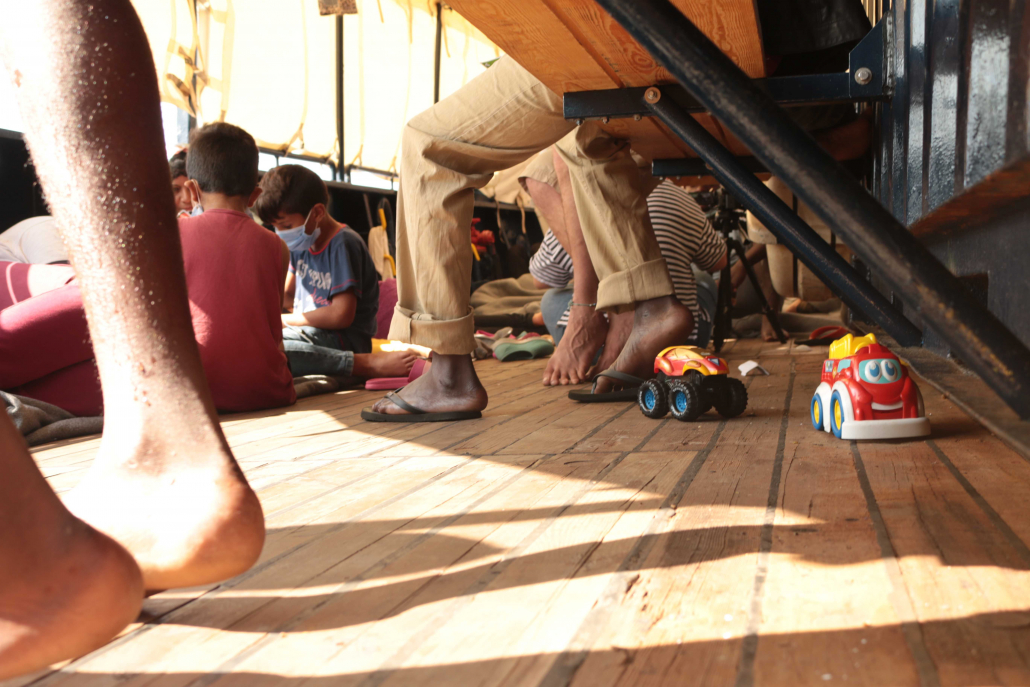
Children playing on the ALAN KURDI

However, Sea-Eye’s repeated requests to disembark the particularly vulnerable persons immediately also remain unanswered.

EU Commission calls for coordination and rapid disembarkation in the Migration Pact
On Wednesday, the EU Commission presented its migration pact.

Search and rescue operations in emergency situations require coordination and rapid disembarkation to a safe place and respect for the fundamental rights of the persons rescued, in accordance with the obligations of the EU Charter of Fundamental Rights, including the principle of non-refoulement, and with customary and conventional international human rights law and the Law of the Sea,” says point 7 of the paper presented by the Commission.

Commissioner Ylva Johannson underlined the particular importance of civil sea rescue efforts and of supporting them.

But this is precisely what is not happening at present in the Central Mediterranean. The Commission is calling for legal norms that should be self-evident and should already be complied with,” said Isler.

The fact that Italy completely rejects the responsibility for a maritime emergency is a novelty for Sea-Eye.

It suggests that Italy no longer even classifies people rescued from distress as maritime emergencies,” says Isler.

In a conversation between the Italian coast guard and Sea-Eye representatives last June, an Italian coast guard lawyer spoke of a “service for migrants at sea” when describing the purpose of ALAN KURDI from the Italian coast guard’s point of view.

This shows that the Italian view has changed not only on the rescue vessels of the humanitarian organisations, but especially on the rescued people. If you think this through to the end, you come to the frightening conclusion that the coast guard has taken over the view of right-wing populist politicians and is now using the term ‘passengers’ in order to be able to detain the ships for technical reasons,” Isler continues.

ALAN KURDI in the Mediterranean

No Maritime Rescue Coordination Centre Assumes Responsibility

After the rescue of 133 people last Saturday (9/19/2020), no European maritime rescue coordination centre took over the coordinating role for the people rescued by the ALAN KURDI till Tuesday evening. Malta’s rescue coordination centre flat-out refused. The Italian rescue coordination centre referred to the German control centre in Bremen and from there the requests were forwarded to the German Ministry of Transport and the German Foreign Office.

On Tuesday morning, the Italian coast guard evacuated two women, one man, five children, the youngest child being only five months old. The communication for this evacuation took place exclusively verbally, via radio. Jan Ribbeck, head of operations and board member of Sea-Eye, criticizes the actions of the Italian and German authorities. On Tuesday evening, he wrote to the rescue coordination centre in Rome:

Evacuation at night

The responsible JRCC in the Libyan SAR zone has not made contact with the vessel ALAN KURDI via email, VHF or telephone before or after the rescue. All the other authorities closest to the SAR zone have so far not agreed on a jurisdiction or responsibility despite repeated attempts and objections. The common duty to coordinate emergencies at sea does not end in silence and inactivity of the authorities. It continues to apply until the operation is completed with the transfer of the rescued people to a safe port. Due to the inactivity of the Italian and German authorities the master must now consequently head for our port of call for the fastest possible and safe supply and evacuation of the rescued people. But in order to avoid a long and stressfull crossing, we must request for an immediate disembarkation for all of rescued people within the next hours.

Rescue ship ALAN KURDI sets course for France

If the rescue coordination centre in Tripoli is incapacitated and cannot assume its responsibility, all other European maritime rescue coordination centres are responsible and obliged to cooperate, because after all, human lives are at stake,“ says Gorden Isler, Chairman of Sea-Eye.

On Tuesday evening, the civil sea rescue organization informed the maritime rescue coordination centres of Italy, Malta, Germany and France, as well as the German Foreign Office, of their intentions and repeated their request for a safe port. However, none of them replied.

Therefore, the ALAN KURDI set course for her port of call, its original port of destination, where the ship was scheduled to dock in order to carry out the crew change and prepare for its next mission. The French port of Marseille was also chosen because the organization’s volunteers can travel there more easily from Germany and it has already served as a suitable base for the rescue ship OCEAN VIKING.

Rescued and crew member

Of course, the port of call can also be a place of safety. The inaction of the Italian and German authorities forces us to take this step,” Isler continues.

The choice of a more distant port is nothing new. Starting in 1979, Rupert Neudeck of Cap Anamur brought over 10,000 Vietnamese refugees, the so-called “boat people”, to safety this way.

Another blockade off Italy unacceptable

Most recently, the Italian authorities had blocked the Spanish rescue ship OPEN ARMS off Sicily until dozens of people jumped off board in desperation, trying to swim ashore themselves.

This is the kind of uncontrollable situation we don’t want to be brought into. We will not accept another blockade,” says Isler.

After consultation with the nautical crew, Isler considers the risks of the journey to be justifiable.

As we will pass many ports off Sardinia, off Corsica and off the south of France, we will be able to ask for support everywhere,” so Isler.

Recently, the French government has regularly been involved in the distribution of people rescued from distress at sea.

We do not know how the French government will react to our request for assistance. But we believe in the support of the French people and that they won’t let the ALAN KURDI be stranded off Marseille,” Isler continues.

Rescued children on board the ALAN KURDI

ALAN KURDI reached Lampedusa

Within 12 hours on Saturday the crew rescued 133 people from three different boats. First, 90 people were rescued from a rubber dinghy and 24 people from a small wooden boat at noon.

On neither of the boats there was a satellite telephone so that the people could never have called for help. They would not have arrived anywhere,“ said Kai, human rights observer on board the ALAN KURDI.

The ship’s watch spotted both vessels with binoculars.

Given the size of the search area, it’s pure luck. We wonder how many boats are disappearing unheard and unseen,“ said Kai.

Rescued family at night on the ALAN KURDI

After nightfall, the crew found another wooden boat with 19 people whose emergency call had been forwarded to the authorities and ALAN KURDI by AlarmPhone. 18 people are Libyan citizens. Neither the responsible Libyan authorities nor the rescue control centres in Rome or Valletta responded to the written enquiries of the captain of the Sea-Eye ship.

Many children were saved

62 of the rescued people state to be minors. There are several families and a pregnant woman on board. The youngest child is still a baby and is only five months old, according to the Libyan mother.

The families and the children are particularly vulnerable. The ALAN KURDI has now reached Lampedusa. There, we asked Italy for a safe port and requested that at least the families and the minors be evacuated immediately,” Gorden Isler states, Chairman of Sea-Eye.

Sea-Eye fears another blockade, as the Spanish rescue vessel OPEN ARMS was blocked for more than seven days with about 270 people.

The Italian authorities have become very reluctant to support civilian sea rescuers and prefer to keep our ships in their ports for weeks on end. They seem to have no scruples about putting the rescued people and crews in danger through blockades, only to then argue in a transparent way that the ships are not suitable for precisely these situations,” Isler continues.

The rescued describe reasons for escape

Human rights observer Kai spoke with the survivors on board the ALAN KURDI about their reasons for fleeing.

“There is war in my country. Sunna are being persecuted. I had to flee because they wanted to kill me.”

— 29-year-old man from Yemen —

“The government removed me from my home. Some milices catched me in Libya and I had to pay so that they don’t kill me. I had to flee to survive.”

— 28-year-old man from Egypt —

“The war in Libya destroyed my house and left my family and me without nothing. I spent all I had for a surgery which my son needed but he still needs urgent help which I cannot get in Libya. I never imagined to leave my country like this but there was no other way to protect my family.”

— 45-year-old man from Libya —