They make Sea-Eye’s sea rescue operations in the Mediterranean possible: our rescue vessels. They are our response to the EU’s inaction: our ships bring humanity to the Mediterranean. We come to the aid of refugees in distress at sea, rescuing and caring for them – and providing a sense of safety, often for the first time in a long while during a perilous journey.
Sea-Eye civil sea rescue in the Mediterranean: Our rescue vessels
Our current rescue vessel
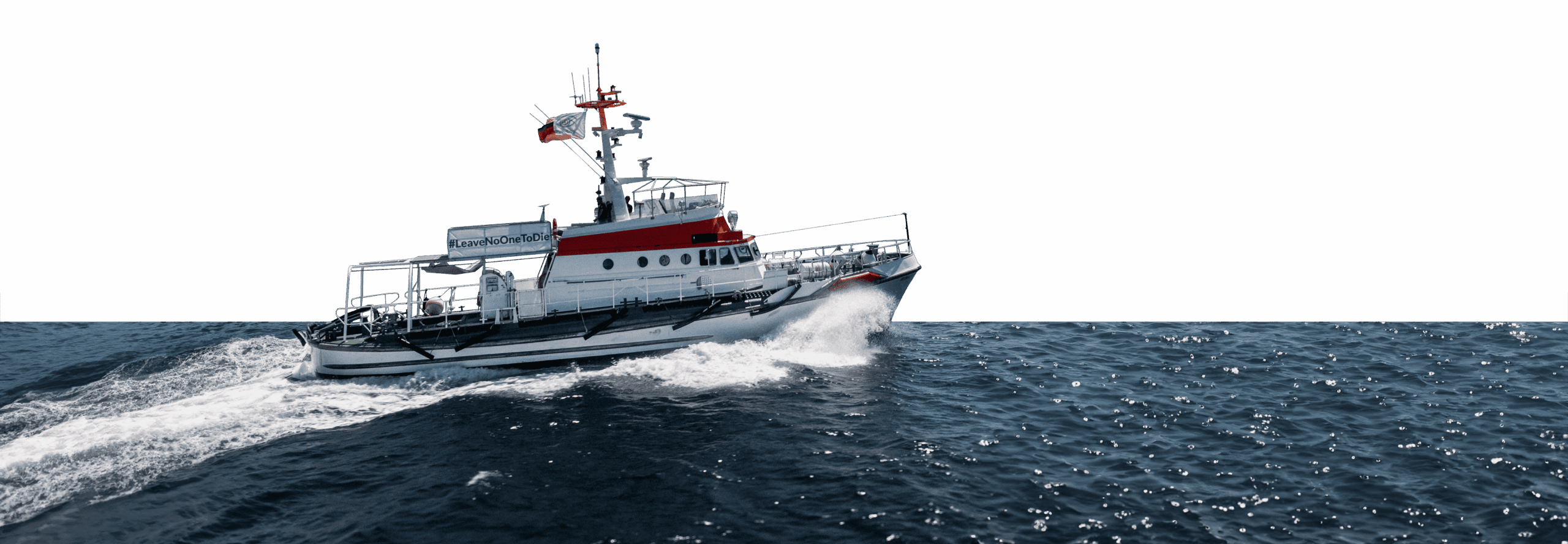
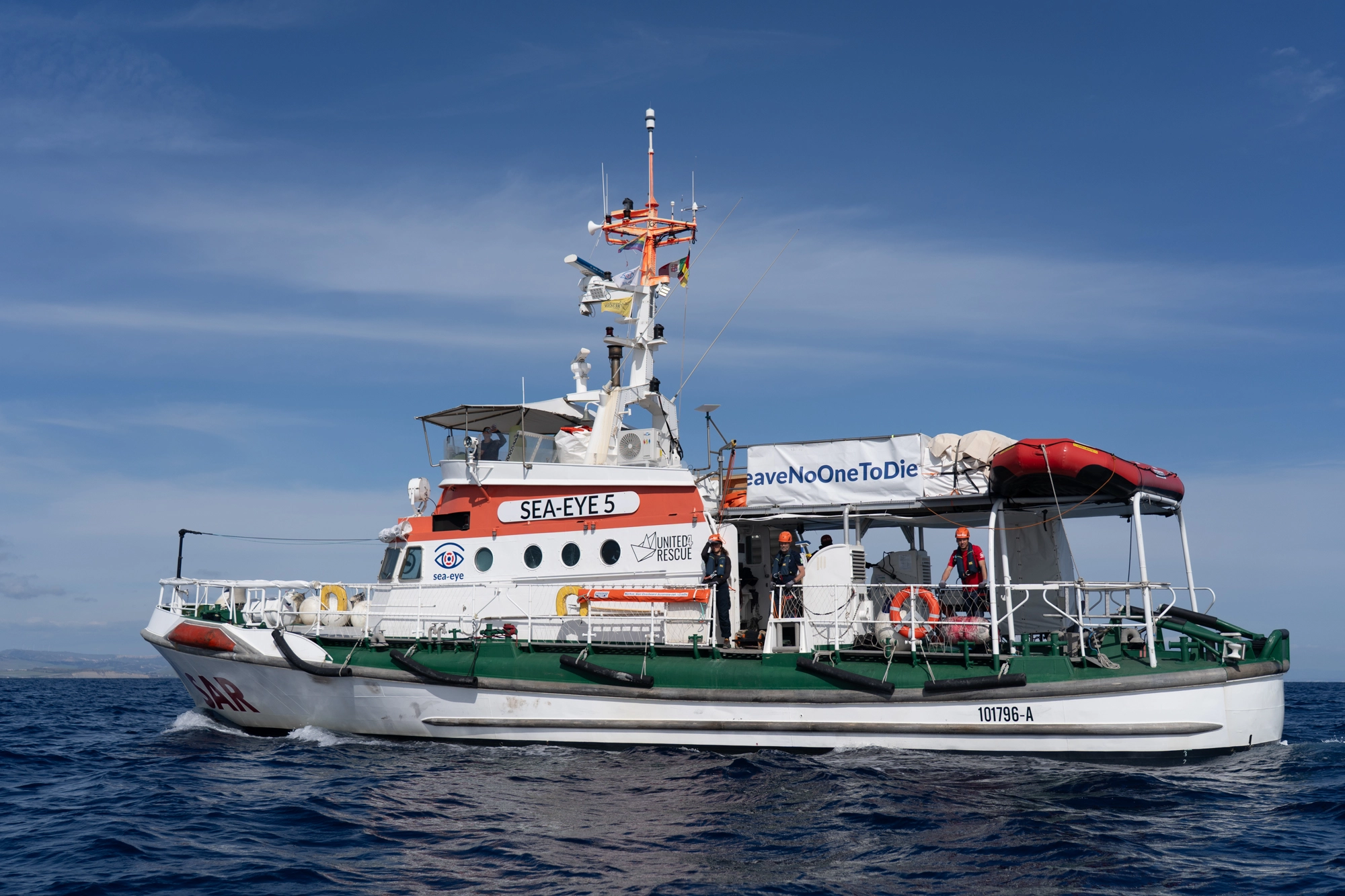
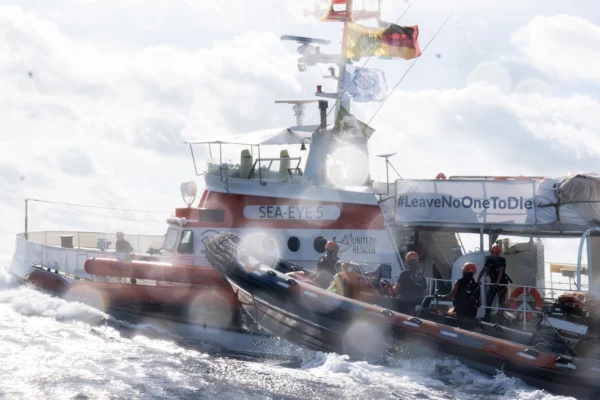
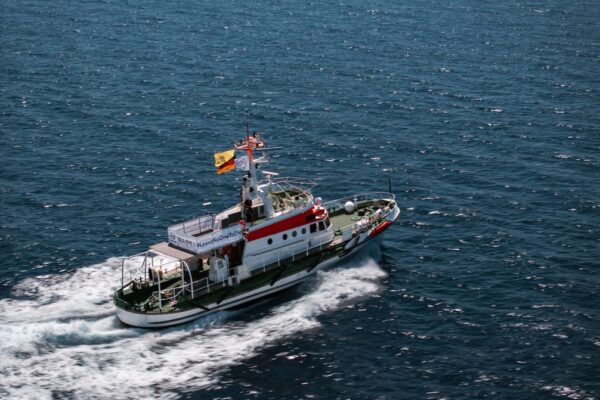
SEA-EYE 5
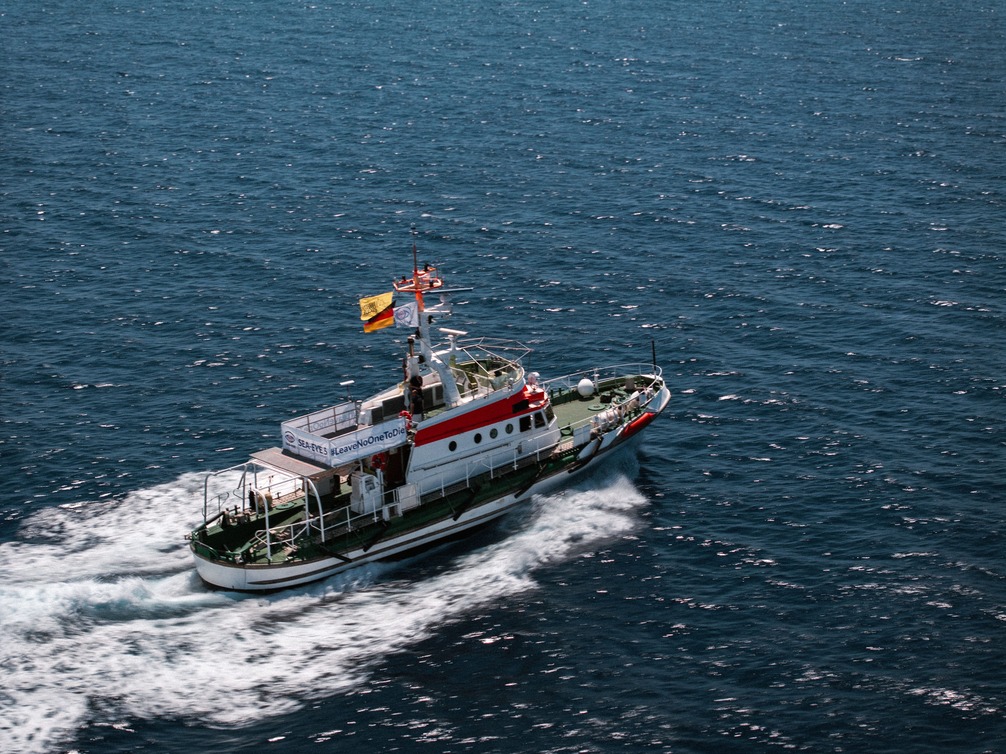
The Sea-Eye 5
- with Sea-Eye since 2024
- over 50 rotations
- over 3,000 ship sponsors
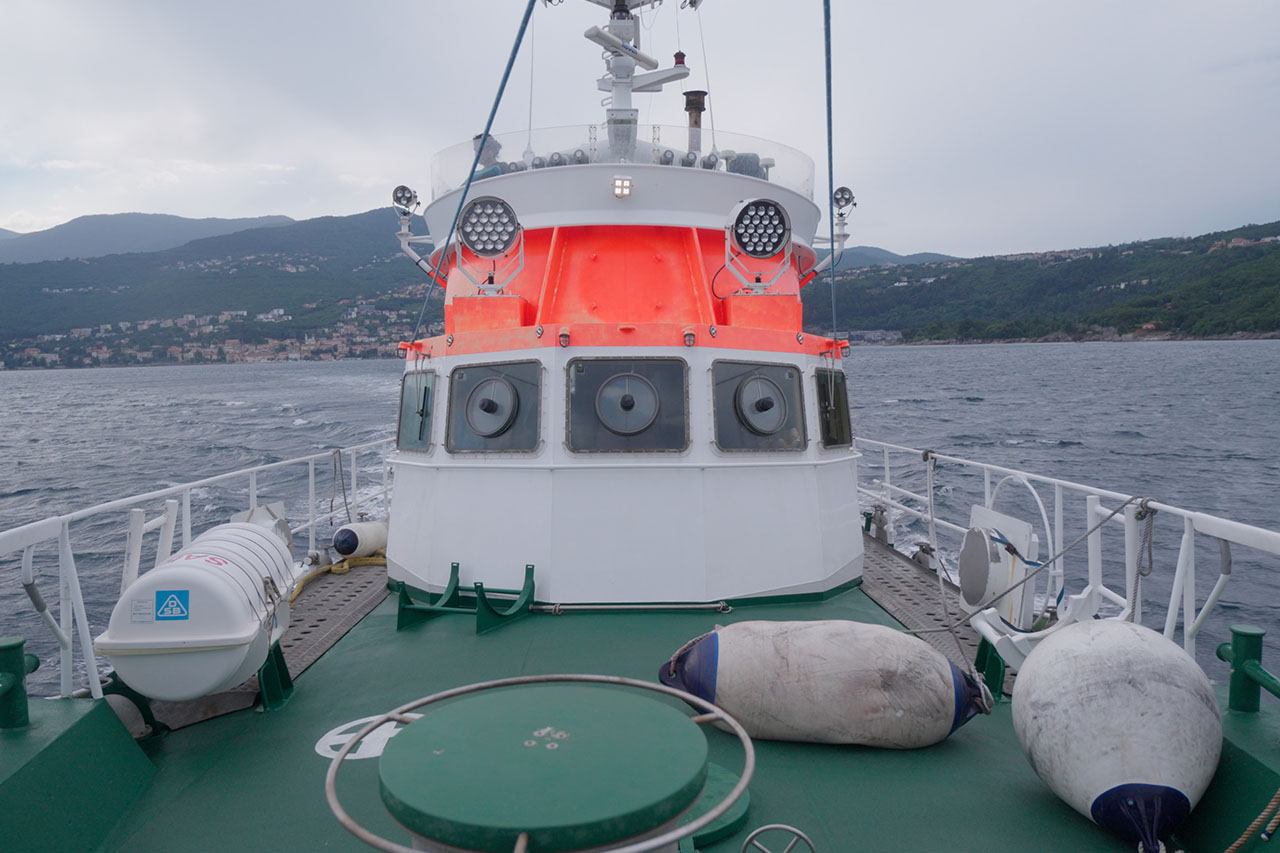
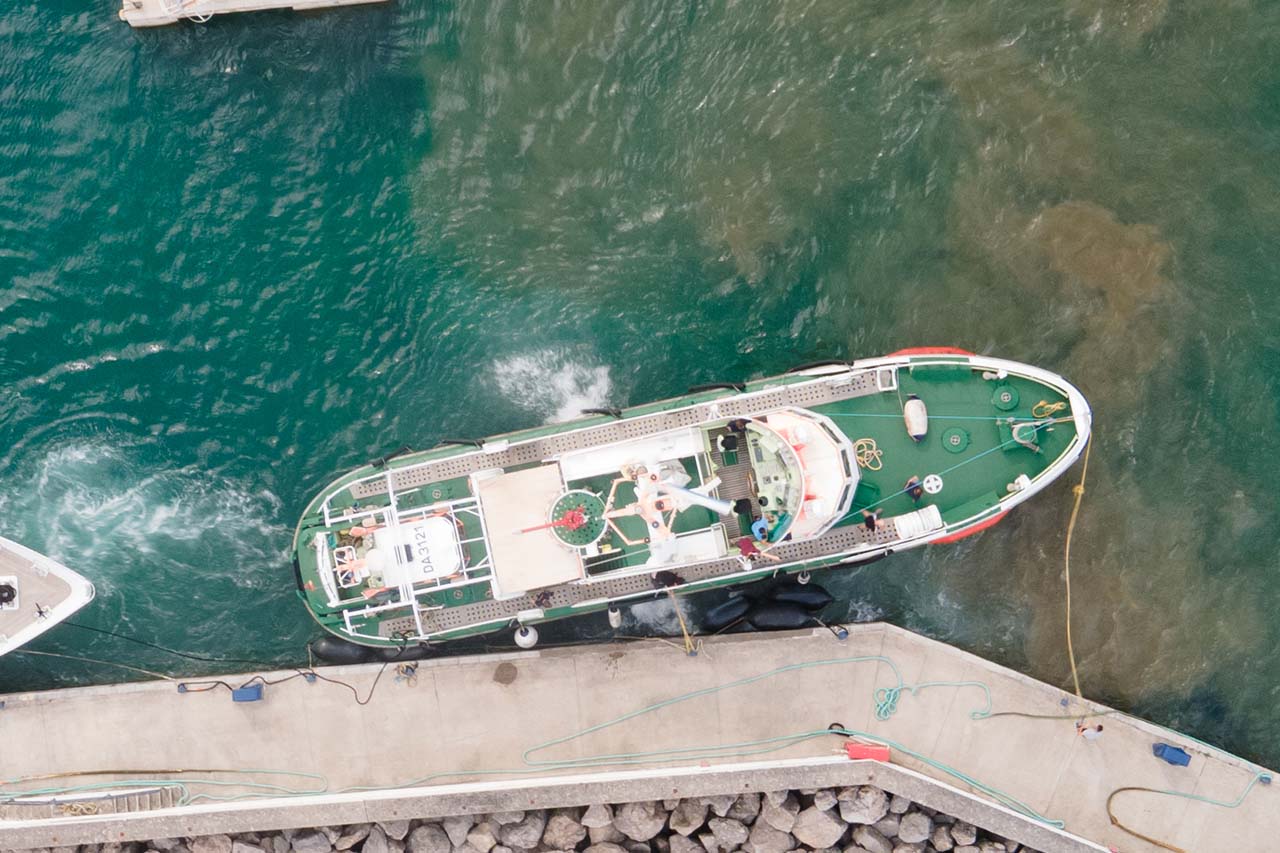
The SEA-EYE 5 is a fast and flexible rescue vessel. It belongs to the 23.3-metre class, a series of seven rescue vessels operated by the German Maritime Search and Rescue Service (DGzRS).
Designed as a rescue vessel, it is ideally suited for deployment in the Mediterranean (built in 1990). Thanks to its powerful engines and a top speed of 17 knots, the SEA-EYE 5 can quickly reach boats in distress.
There is also an infirmary on board where patients can be treated and where pregnant women and people suffering from dehydration can receive emergency care. The equipment and the running of the facility are provided by German Doctors e.V..
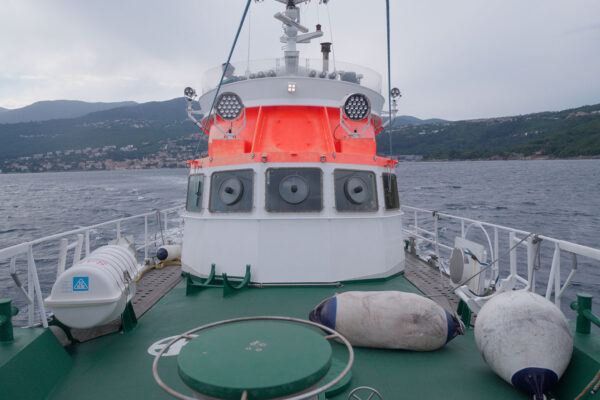
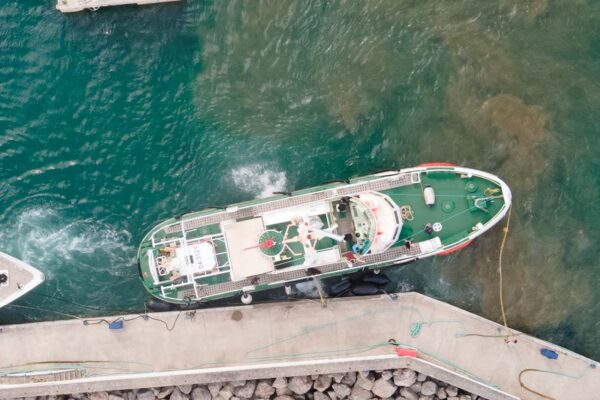
Our former rescue vessels
SEA-EYE
In service from 2016 to 2018
More than 20 missions
Based in Hamburg as a research vessel since 2019
More than 20 missions
Based in Hamburg as a research vessel since 2019
ALAN KURDI
Operational from 2018 to 2021
12 rotations
Currently operating for RESQ in the Mediterranean
12 rotations
Currently operating for RESQ in the Mediterranean
Seefuchs
Operational from 2017 to 2018
First rotation: May 2017
2018: Withdrawn from the Dutch register
First rotation: May 2017
2018: Withdrawn from the Dutch register
SEA-EYE 4
Operational from 2020 to 2025
20 rotations
With Mediterranea Saving Humans since 2025
20 rotations
With Mediterranea Saving Humans since 2025
More about the ships
SEA-EYE
Period of operation : 2016–2018
The SEA-EYE was Sea-Eye e. V.’s first rescue vessel — a former fishing boat built in 1958. In 2015, thousands of people died whilst fleeing across the Mediterranean. Europe stood by and watched. Sea-Eye was subsequently founded in Regensburg with a clear objective: to rescue people in distress at sea.
- Refurbishment of the ship by volunteers in Rostock
- First rotation in spring 2016
- In over 20 rotations, the SEA-EYE has rescued more than 10,000 people
The SEA-EYE today
In 2018, the EU withdrew completely from sea rescue operations. At the same time, civilian search and rescue organisations were increasingly criminalised. Under political pressure, the SEA-EYE had its Dutch flag revoked.
Since 2019, the SEA-EYE has been moored in Hamburg and now serves as a documentation vessel and a memorial to humanity and moral courage.
SEEFUCHS
Period of operation: 2017–2018
With the SEEFUCHS, Sea-Eye e. V. further expanded its rescue operations in the Mediterranean. The former research vessel (built in 1959) was of the same design as the first SEA-EYE and was converted into a rescue vessel in 2017.
- First rotation may 2017
- Involvement in numerous rescue operations
- Documentation of the human rights situation at Europe’s external borders
A symbol of civilian sea rescue
The bright red SEEFUCHS quickly became a visible symbol of civilian sea rescue. Yet this ship, too, became the target of political attacks on humanitarian aid: in the summer of 2018, under pressure from the then Italian Minister of the Interior, Matteo Salvini, the Dutch government stripped the ship of its flag.
Yet another attempt to hinder civilian sea rescue in the Mediterranean.
ALAN KURDI
Period of operation: 2018–2021
Following the political revocation of the flags of our first rescue vessels, Sea-Eye e. V. took a further step at the end of 2018: the former research vessel PROFESSOR ALBRECHT PENCK was converted into a new rescue vessel — the ALAN KURDI. The ship was named after Alan Kurdi. The death of the three-year-old boy became a global symbol of Europe’s deadly policy of isolation in 2015.
- First departure: December 2018
- 12 rotations
- Over 900 people rescued from distress at sea
Die ALAN KURDI heute
However, the political blockade on civilian sea rescue operations continued to intensify. Repeated detentions of the ships in Italian ports placed a massive financial strain on Sea-Eye. In 2021, the ALAN KURDI therefore had to be sold with a heavy heart. Today, the ship continues to operate under the name “RESQ PEOPLE” for the Italian organisation RESQ.
SEA-EYE 4
Period of operation: 2021–2025
For over four years, the ‘Red Lady’ was on duty to help people in distress at sea. For many, she became more than just a rescue vessel:
- a safe place in the heart of the Mediterranean
- a symbol of solidarity
- a stand against letting people die at Europe’s external borders
Together with around 250 crew members and many supporters on shore, the SEA-EYE 4 was able to assist around 3,700 people on the move and rescue them from distress at sea.
- First departure: 2021
- 20 rotations
- over 3,700 people rescued from distress at sea
SEA-EYE 4 today
The SEA-EYE 4’s time with Sea-Eye came to an end in 2025. The vessel is now being operated by our Italian partners at Mediterranea Saving Humans.
Thank you, Red Lady. And thank you to everyone who made these numerous rescues possible.
The great moments of a great rescue ship
More about Sea-Eye



we save lives.
we save lives.
we save lives.
we save lives.
we save lives.
we save lives.